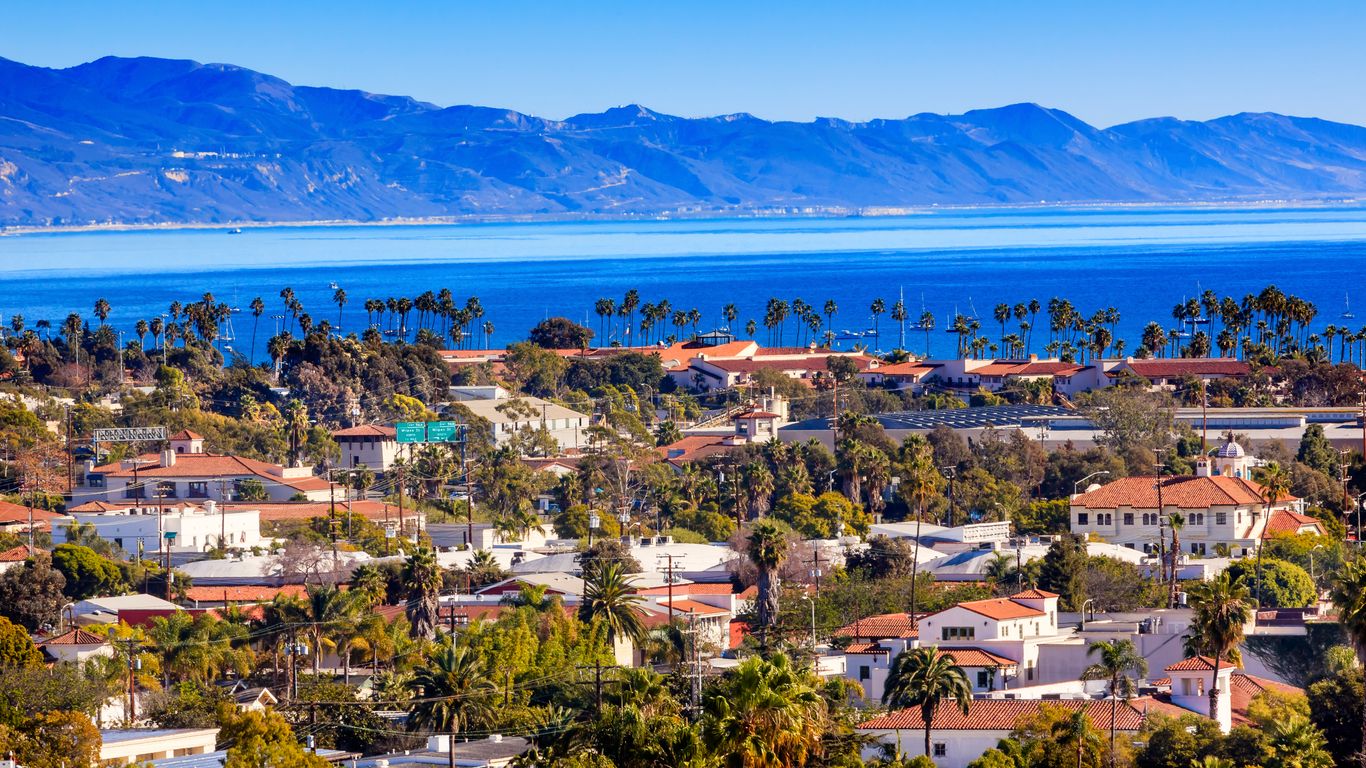
A Highland exchange begins as a local property decision before it becomes a tax strategy. The owner is giving up an asset shaped by Highland's tenants, residents, buildings, access, and county systems, then choosing where that equity and deferred gain will live next. The replacement should solve an investment problem that remains real after the closing deadline passes.
The incorporated-place data can tell a useful story about Highland, but only when each fact changes a question the owner asks. Population does not forecast rent. Employment mix does not guarantee tenant credit. Housing medians do not value commercial property. The local record should help a visitor understand what to inspect and what could go wrong.
Highland's economy points to a property story
In Highland, education and health services is the largest reported employment category at 23.3%, followed by retail trade at 14.8% and professional and management services at 9.4%. Those are resident employment shares inside the incorporated-place geography. They point toward demand relationships to investigate; they do not establish a tenant's credit or a property's rent.
Medical office, workforce housing, and service retail may follow institutions, but the exact campus, referral network, and tenant must be verified. For Highland, the candidate should show exactly how its residents, tenants, customers, patients, freight, or visitors connect to that engine.
A resilient Highland acquisition also works when the largest category slows. Test whether the second and third engines support the same address or whether the property is a concentrated bet on one employer, route, institution, or season.
What Highland's building vintage hides
The median year built for Highland's housing stock is 1983; structures with at least two units account for 16.7%. These figures describe the city's physical setting, not the value of a commercial asset. In practical terms, mid- and late-century stock makes replacement cycles and renovation records central.
A Highland buyer should obtain permits, roof and envelope files, electrical and plumbing details, accessibility work, claims, major repairs, deferred maintenance, and bids. A cosmetic renovation can sit over original infrastructure, while an older building with disciplined records may present less uncertainty.
Highland contains 16,795 housing units within its incorporated boundary. That count is neither property inventory nor proof of exit liquidity. Buyers for one asset class, price, condition, and neighborhood may be far fewer than the citywide scale suggests.
Highland vacancy has more than one cause
3.2% of all Highland housing units are classified vacant by the ACS. That is not an apartment vacancy rate. Of vacant units, 0.0% are seasonal, recreational, or occasional use and 22.1% are listed for rent.
Rebuild a Highland property's occupancy from leases, deposits, concessions, delinquency, offline units, renovations, seasonal contracts, and move-outs. A high physical count can coexist with weak collections, while a seasonal unit may never compete with an ordinary annual rental.
The Highland 1031 exchange sets the relevant boundary: The useful question is why residents choose the subject and why they leave. City vacancy can orient the investigation; the operating ledger and competitive set explain the asset.
Highland's direction changes the burden of proof
Highland's 2025 estimate is 57,614, a 1.2% increase from the 2020 estimates base. That points to measured growth inside the incorporated boundary, but the effect will not distribute evenly among neighborhoods, rent bands, property types, or employers.
With growth, test whether new supply, infrastructure, insurance, and acquisition basis consume the demand benefit. With slower growth or decline, tenant retention, functional utility, and exit depth deserve more weight. Highland rent should not rise in the model merely because population did.
Hold revenue flat, raise expenses and borrowing cost, move capital forward, and extend the sale period. The Highland replacement should remain tolerable without assumed appreciation.
San Bernardino County gives Highland a wider operating context
The Census Gazetteer internal point for Highland resolves to San Bernardino County. Some incorporated places cross county lines, and every parcel still needs its actual county, city, district, and assessor verified. The county reference is useful because tax administration, courts, recording, infrastructure, and several hazard and insurance questions operate beyond the city boundary.
Highland sits in the broader Inland Empire setting, where warehouse corridors, growing housing markets, service employment, and sharply different valley, foothill, and desert submarkets. That makes heat, water, wildfire, insurance, long infrastructure distances, logistics access, and new supply practical underwriting issues. The address, construction, use, insurance quote, utility record, and local approvals determine which of those risks actually reaches the property.
A visitor should leave the Highland discussion understanding what to inspect, not believing that a regional label predicts return. The county and regional story narrows the questions; leases, condition, title, operations, and financing answer them.
The California exchange runs on two ledgers
A Highland owner needs a federal exchange file for taxpayer identity, investment use, intermediary control, written identification, completion, liabilities, boot, basis, and Form 8824. The California file tracks state adjusted basis, withholding, California-source deferred gain, and Form FTB 3840 when California property is exchanged for property outside the state.
The calculations can differ. Every difference should have a source, preparer, and continuity schedule. Moving away from Highland, changing property type, or acquiring in a state without individual income tax does not by itself erase California's tracked source gain.
Keep acquisition, prior exchange, improvement, depreciation, partial disposition, sale, debt, cost, and closing records together. The future adviser should be able to follow the original Highland gain through another exchange or eventual sale.
Closing cost belongs beside tax deferral
The Highland 1031 exchange turns that into a decision rule: Estimate California withholding and Form 593 treatment from the actual seller, property, transaction, intermediary, and closing facts. A certification is not a promise that no tax will ever be due, and withholding is a payment or credit rather than the final liability.
Reconcile sale price, debt, exchange proceeds, replacement equity, title, lender charges, insurance, immediate work, reserves, and any recognized cash before identifying. Gross Highland value is not the amount safely available to acquire and operate the replacement.
The Highland 1031 exchange requires a direct reading: The federal deadline should create earlier internal dates for title, insurance, financing, inspections, entity approval, and professional review. Heat, water, wildfire, insurance, long infrastructure distances, logistics access, and new supply should not first appear after the identification list becomes fixed.
Direct property, another state, and DST ownership solve different problems
A local Highland replacement preserves familiarity and may preserve concentration in the same employment, insurance, water, or regulatory setting. Another California market changes the operating context while retaining state administration. An out-of-state purchase adds unfamiliar law, management, tax filing, and continued California source-gain tracking.
The Highland 1031 exchange calls for a narrower conclusion: A DST can be relevant when passive management, precise equity allocation, allocated debt, diversification, or backup execution solves a named need. It should not be inserted automatically. Review the trust's real estate, tenants, debt, fees, reserves, sponsor conflicts, distributions, transfer limits, and sale authority.
Put every live route on one sheet: equity, debt, basis, estimated recognition, closing cost, immediate capital, income, management, control, liquidity, concentration, and exit. The Highland choice should remain coherent after rent is held flat, insurance rises, capital arrives early, and sale takes longer.
A Highland file should tell the story without oral history
The Highland 1031 exchange brings the risk into focus: Index title, survey, zoning, leases, collections, expenses, tax, insurance, physical and environmental reports, repair bids, lender terms, entity approvals, intermediary papers, identification, deeds, settlement statements, and wires. A private structure adds offering and governing documents, fees, conflicts, debt, reserves, investor rights, reporting, restrictions, and sale control.
Give every missing Highland fact an owner, deadline, and consequence. Another attorney, accountant, lender, engineer, insurer, appraiser, or beneficiary should be able to reproduce the conclusion and identify what remains provisional.
The Highland 1031 exchange makes the distinction practical: Finish with the fact that would stop or redirect the transaction. Tax deferral can improve a sound acquisition; it cannot repair weak property economics, unclear source records, inadequate reserves, or a replacement chosen only because the calendar became uncomfortable.
Questions Highland owners ask before closing
Does Highland change the federal 1031 deadlines?
No. Federal timing governs, while Highland title, insurance, financing, physical review, local approvals, and counterparty response can create earlier practical deadlines.
Which geography supports the Highland figures?
Population, housing, industry, and commuting figures use Highland's incorporated-place boundary. The internal point resolves to San Bernardino County, but each parcel's city and county must be verified.
Does leaving California end tax on deferred Highland gain?
The Highland 1031 exchange makes the distinction practical: Not automatically. California generally tracks deferred California-source gain when qualifying California property is exchanged for out-of-state property, including annual Form FTB 3840 reporting when required.
What does 3.2% vacancy mean?
It is the ACS share of all Highland housing units classified vacant, not an apartment vacancy rate or a forecast for a candidate property.
When can a DST fit a Highland exchange?
The Highland 1031 exchange calls for a narrower conclusion: Only when passive management, allocation, debt, diversification, or backup execution solves a documented need and the offering passes qualification, availability, suitability, property, sponsor, fee, leverage, and liquidity review.