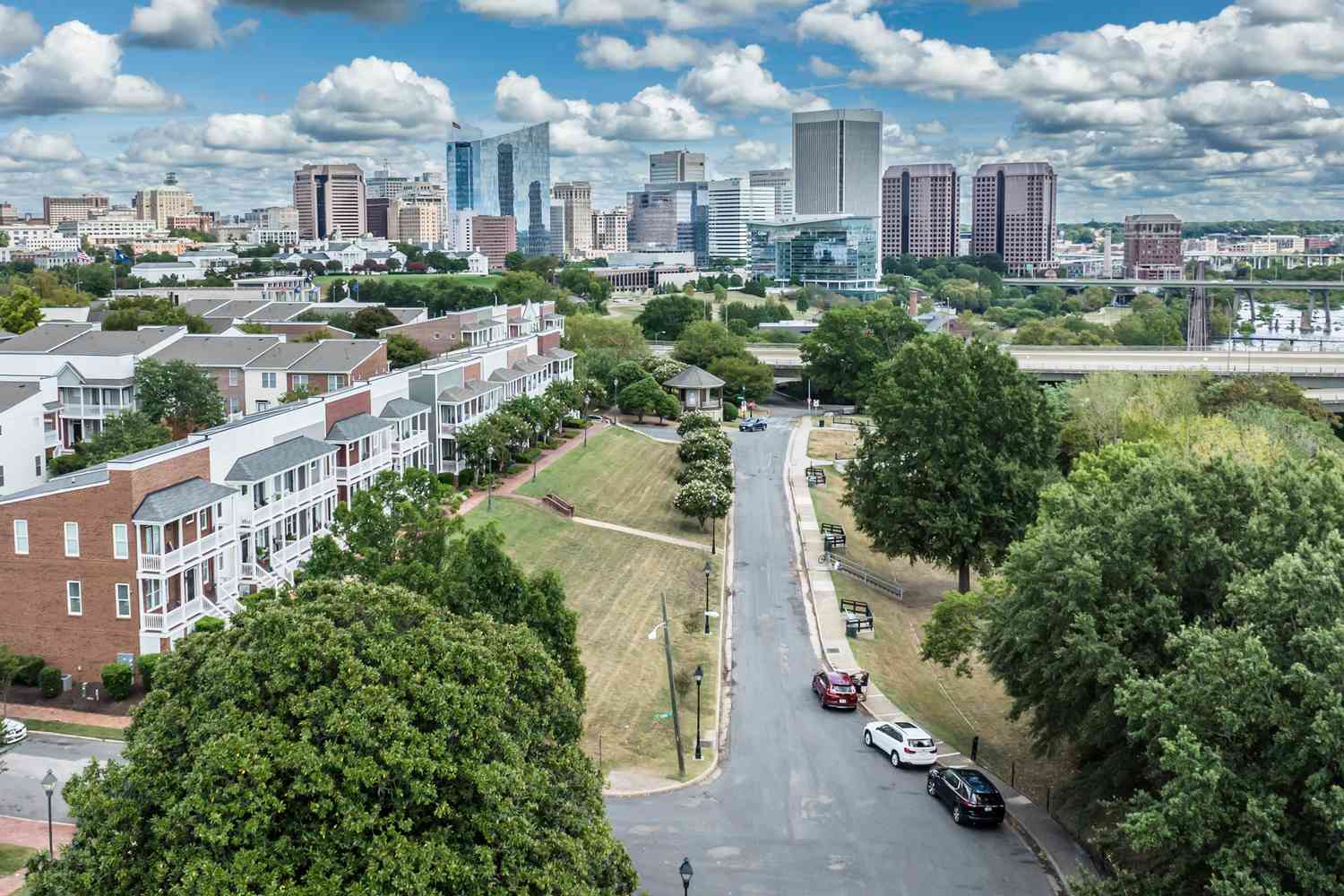
Office has been the hardest California property type to underwrite since hybrid work reset demand, and a seller exiting an office building through a 1031 exchange is often trying to lock in gain before further softening rather than chase yield into a weak leasing market. A replacement buyer needs the same discipline in reverse: verify that current income is durable before the 45-day identification window forces a decision.
Office income depends on who occupies the space, how the lease allocates operating costs, and how much capital the space will need to re-lease at the next rollover. A rent roll showing full occupancy today can still represent a building with concentrated near-term vacancy risk once lease terms are examined individually.
Reconcile occupancy, lease structure, and building condition before comparing an office replacement against other property types on yield alone.
Submarket matters as much as building quality in the current cycle. A downtown high-rise competing against newer amenitized towers faces different leasing pressure than a suburban low-rise near residential density, and the buyer's post-closing leasing plan should reflect the building's actual competitive set rather than a citywide vacancy statistic.
Office leases in California run from full-service gross, where the landlord absorbs operating cost growth, to modified gross and triple net, where tenants reimburse taxes, insurance, and common-area maintenance. A quoted cap rate built on full-service gross income can understate the landlord's exposure to rising insurance and post-transfer property tax if those costs are not separately verified.
Review the actual lease language for expense stops, base-year resets, and any cap on annual reimbursement growth, since a generous base year can leave the owner absorbing cost increases the rent roll does not show.
Build a lease expiration schedule showing suite size, rent, expiration date, renewal options, and termination rights for every tenant, not a blended average. A building at ninety percent occupancy with half the rentable area rolling within eighteen months carries materially different risk than the same occupancy with staggered ten-year terms.
Confirm whether any anchor tenant has a right to downsize, sublease, or terminate early, since a single large tenant's exit can eliminate a meaningful share of net operating income before a replacement tenant is secured.
Confirm what tenant improvement allowance and leasing commission obligations remain outstanding on renewals or new leases signed shortly before the sale, since these costs are often paid over time and an unfunded allowance can surface as an unexpected draw on cash flow after closing.
California requires disclosure of whether a commercial property has been inspected by a Certified Access Specialist and whether it has any unresolved accessibility violations. Request the CASp report, any demand letters, and evidence of remediation, since unresolved barriers can generate statutory claims independent of ordinary lease disputes.
Budget for accessibility upgrades separately from routine capital improvements, since older office stock in California frequently predates current accessibility standards for restrooms, parking, and common-area paths of travel.
A California office building is reassessed to current market value upon a change in ownership, which typically raises the base-year tax above what the seller was paying. Confirm whether any portion of the building falls under a legal-entity ownership change exemption before assuming a straightforward reassessment, and model the new tax into projected net operating income.
Supplemental tax bills after closing can arrive months after occupancy begins, and a buyer who has already re-leased vacant space at a fixed rent may find the new tax erodes margin that seemed available at acquisition.
Insurance renewal terms deserve the same scrutiny as tax reassessment. California commercial insurance markets have hardened in several regions, and a buyer relying on the seller's expiring premium risks understating operating cost at the next renewal.
Office ownership requires active leasing, tenant-improvement negotiation, and capital planning that few other property types demand at the same frequency. An owner exiting an office asset through an exchange should weigh whether another office building solves the original problem or simply relocates the same management burden.
A passive structure removes leasing and capital decisions from the owner entirely, trading direct control for a fixed allocation to a sponsor-managed asset or portfolio.